
Long-Term Solutions for Facet Joint Syndrome Discomfort
- posted: Oct. 02, 2025
Facet joint syndrome can seriously slow you down. Imagine dealing with constant neck or lower back pain every time you try to move or twist. Many people face this discomfort daily, affecting their ability to handle simple tasks like picking up items or even turning around. Your spine contains small joints, known as facet joints, which connect and stabilize the bones. When these joints get inflamed, they can cause sharp pain or even a dull ache, leading to facet joint syndrome. This pain is no joke, and finding long-term relief is key to getting back to living life to the fullest.
So, why is it so important to address this discomfort head-on? Managing facet joint syndrome isn't just about dulling the pain temporarily. It's about seeking treatments that offer lasting relief, allowing you to return to doing what you love without the fear of pain creeping back in. Understanding more about this condition and exploring effective solutions can play a big part in your recovery journey.
Understanding Facet Joint Syndrome
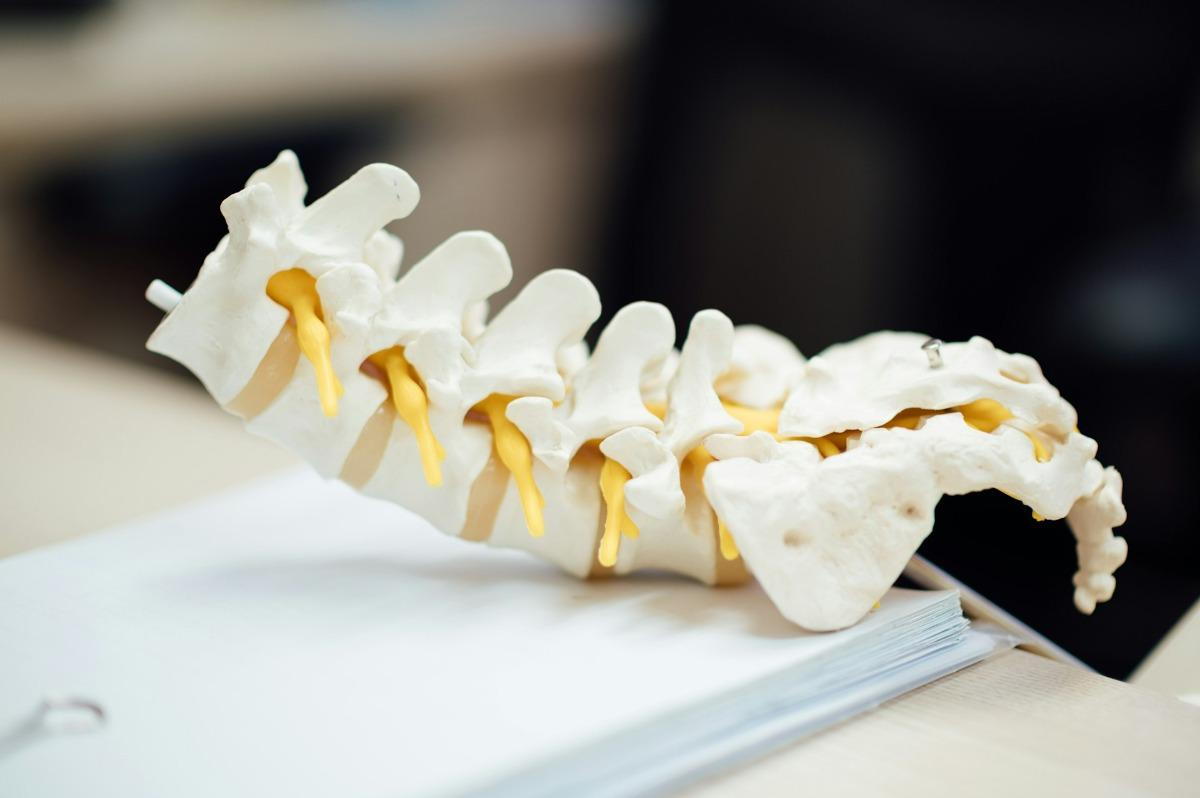
Facet joint syndrome is a condition where the small joints in your spine become irritated or inflamed. These facet joints, located in pairs at each level of your spine, are responsible for giving you flexibility and stability. When they aren't working right, they can make moving a real pain, literally. But how does this happen?
The causes can vary. Sometimes, it's due to aging and wear and tear over time. Other times, an injury or an accident can trigger it. Symptoms include pain, stiffness, and a reduced range of motion. This means simple movements, like bending or twisting, can become challenging and painful. Picture this: reaching for a book on the top shelf and feeling a sharp jolt in your spine. It's an annoying problem that many face, particularly older adults or people who have experienced spinal injuries.
Who’s most at risk? While anyone can develop facet joint syndrome, it's more common in older adults because the wear and tear on their joints increase over time. People who frequently engage in activities or occupations involving heavy lifting or repetitive motions might also be more susceptible. Understanding these factors helps in identifying the condition early and seeking the right solutions to manage it effectively.
Chiropractic Treatments for Facet Joint Syndrome
Chiropractic care can provide a helping hand for those dealing with facet joint syndrome. Chiropractors use specific techniques that focus on aligning the spine and reducing joint stress. The goal is to ease your pain and improve mobility without relying on medication. But how do these treatments actually work?
1. Spinal Adjustments: This common technique involves manipulating the spine to improve alignment, which can relieve pressure on the facet joints. It helps restore motion and can significantly reduce pain.
2. Mobilization: This is a gentler approach compared to traditional adjustments. It involves slower movements and helps increase the range of motion in the affected joints.
3. Exercises and Stretches: Chiropractors might recommend specific exercises to strengthen the back muscles, providing better support to the spine and reducing strain on the joints.
Regular chiropractic care can play a big part in managing facet joint syndrome. It not only provides relief but also promotes overall spinal health, preventing future issues. By focusing on the root cause of the pain rather than just the symptoms, chiropractic treatments provide a more holistic approach to recovery.
Lifestyle Changes to Manage Facet Joint Syndrome
Adjusting your lifestyle can make a big difference when dealing with facet joint syndrome. Simple changes can improve your comfort and help support chiropractic treatments. One significant step is incorporating specific exercises and stretches into your routine. These activities ease tension and strengthen muscles supporting your spine.
Here are a few practical options:
- Gentle Yoga: Helps increase flexibility and reduce stiffness. Focus on poses that don't strain the back.
- Moderate Aerobics: Activities like walking or swimming keep the body active without putting excessive stress on the joints.
- Targeted Stretches: Stretch your lower back and hips gently to maintain mobility.
Another important factor is maintaining good posture. Sitting for long periods? Consider an ergonomic chair with lumbar support. A small adjustment like keeping your computer screen at eye level prevents neck strain. These tweaks might seem small, but they'll help reduce the pressure on your facet joints.
A healthy diet plays a role too. Keeping a balanced diet not only helps manage weight—which reduces stress on your spine—but also ensures your body receives the nutrients it needs for joint health. Adding foods rich in omega-3 fatty acids and antioxidants can support overall wellness. Combining these habits with regular chiropractic visits can lead to a more manageable lifestyle.
Long-Term Success Stories
Many folks have discovered incredible benefits from integrating chiropractic care and lifestyle adjustments. Take Sarah, for instance. After struggling with persistent back discomfort, she decided to try chiropractic treatments along with some posture corrections and a light exercise plan.
Sarah noticed improvements quickly. Her range of motion increased, and she experienced less pain during everyday tasks. Regular chiropractic sessions helped maintain her spine's alignment, while her posture and exercise efforts reduced joint stress. Stories like Sarah's highlight the potential for long-term relief when embracing comprehensive treatment strategies.
Moving Forward with Confidence
Facet joint syndrome doesn't have to be a constant roadblock. Taking steps such as chiropractic care, targeted exercises, and mindful adjustments in daily habits can foster a path toward flexibility and a pain-free life. These strategies not only mitigate current discomfort but also proactively protect against future flare-ups.
It's important to recognize that managing facet joint syndrome takes commitment. But by prioritizing your well-being and exploring available options, you can confidently tackle each day and enjoy a quality lifestyle. Adjusting to these changes might require a period of adaptation, but the reward is a healthier, more active future.
If facet joint syndrome has been holding you back, now's the time to explore practical solutions. Discover effective relief through chiropractic care and lifestyle changes. With the right approach, you can start enjoying activities without the constant worry of discomfort. Learn more about facet joint syndrome treatment and how New Hartford Chiropractic Center can help guide you toward a healthier, more comfortable life.
Location
Find Us On The Map!
New Hartford Chiropractic Center
1 Oxford Rd #200
New Hartford, NY 13413
