
The Best Ways to Rehabilitate After a Work Injury
- posted: Mar. 03, 2025
Work injuries are more common than people think and can range from simple strains to complicated musculoskeletal issues. These injuries can impact your daily activities and affect your quality of life. Recognizing the symptoms and getting the right help can make a big difference in how quickly and well you recover.
Chiropractic care plays a crucial role in the rehabilitation process. Chiropractors focus on adjusting the spine and reducing tension in the muscles, which helps alleviate pain and promote healing. This approach guides the body back to a state of balance and strength, allowing for a smoother recovery journey.
To support this recovery, various complementary therapies can work alongside chiropractic care. These can include physical therapy exercises, massage, and stretches that further enhance healing and prevent future injuries. By creating a comprehensive plan, individuals can return to work safely and keep their bodies healthy in the long run. Proper rehabilitation doesn't just focus on immediate relief, it also ensures lasting effects, reducing the risk of re-injury and maintaining overall well-being.
Recognizing Common Work-Related Injuries and Their Impact
Workplace injuries can happen in any environment, whether you work in an office, a construction site, or a factory. Understanding common injuries and their effects is crucial to seeking appropriate care and recovery.
Sprains and Strains: These injuries occur when muscles or ligaments stretch or tear due to lifting heavy objects or repetitive motions. They can lead to pain, swelling, and limited movement, affecting job performance.
Back and Neck Injuries: Poor ergonomics, heavy lifting, or falls can cause back and neck injuries. These might result in chronic pain or stiffness, making everyday tasks challenging.
Repetitive Strain Injuries (RSI): Continuous use of certain muscle groups, like typing or assembling products, leads to RSI. This may cause numbness, weakness, or a tingling sensation in the affected areas.
Joint Injuries: Knees, wrists, and elbows are especially prone to joint injuries, often occurring from repetitive tasks or sudden impacts. Symptoms can include pain, swelling, and reduced mobility.
These injuries affect not just physical health but can also have emotional and financial implications due to time off work. Recognizing symptoms early helps in finding effective treatment and reducing downtime. Proper management ensures a smoother and quicker recovery, minimizing the impact on daily life and work duties.
Chiropractic Care as a Core Component of Work Injury Rehabilitation
Chiropractic care plays a vital role in rehabilitating work-related injuries. It offers a non-invasive method to reduce pain, restore function, and prevent further harm.
Spinal Adjustments: Chiropractors use manual adjustments to correct spinal alignment. This relieves nerve pressure, reducing pain and promoting healing. Proper alignment also improves posture, which helps prevent future injuries.
Pain Management: Chiropractic care focuses on natural pain relief without relying on medications. Techniques like adjustments help alleviate pain by targeting the source, not just the symptoms.
Improvement of Functionality: By enhancing the spine’s alignment, chiropractic care helps improve overall functionality. Patients often report increased mobility, allowing them to perform daily tasks with greater ease.
Personalized Treatment Plans: Each patient's injury is unique. Chiropractors develop tailored plans based on individual needs and specific injury circumstances, ensuring effective and personalized care.
Education and Prevention: Chiropractors educate patients on proper techniques and exercises to prevent further injuries. Understanding how to maintain correct posture and lifting practices aids in long-term wellness.
With these methods, chiropractic care supports comprehensive rehabilitation that not only targets immediate pain but also enhances overall health, allowing for a safer and quicker return to work.
Complementary Therapies to Enhance the Healing Process
In addition to chiropractic care, various complementary therapies can significantly improve the healing process after a work injury. These therapies enhance recovery and address different aspects of your health.
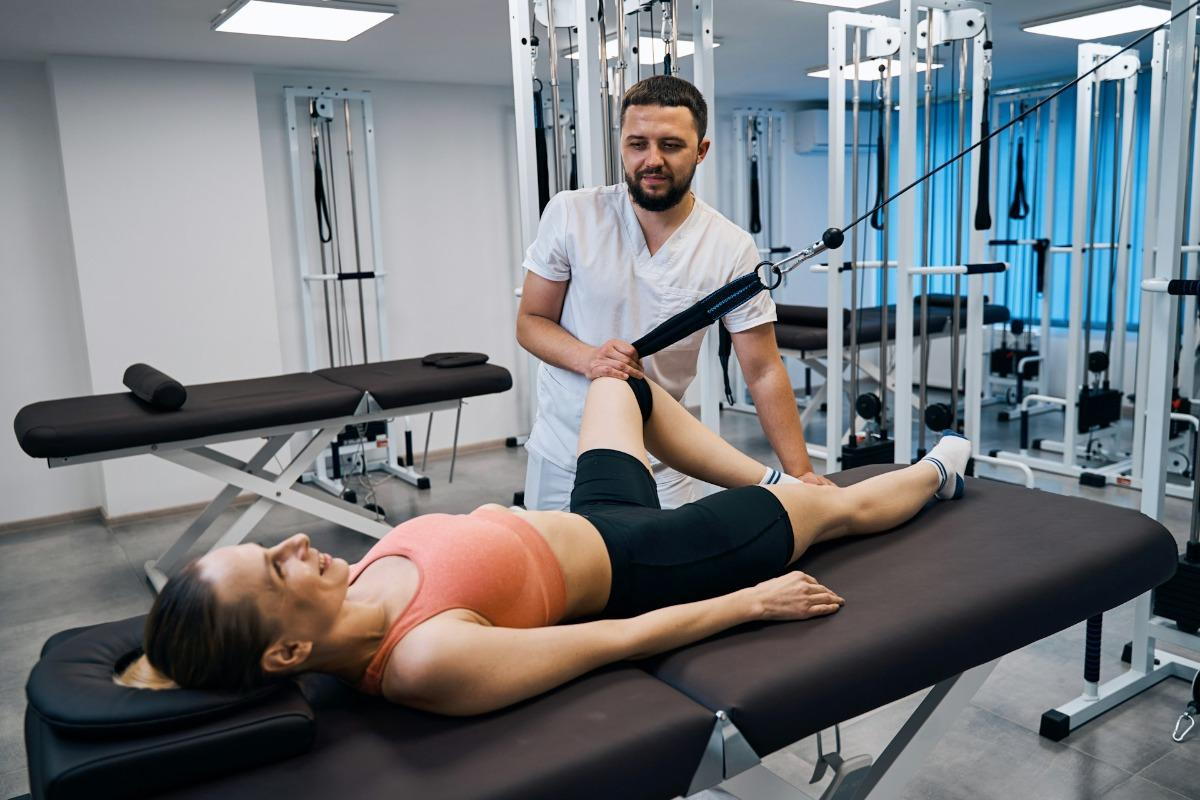
Physical Therapy: This includes exercises and stretches designed to restore strength and flexibility. Physical therapists guide patients through movements that target injured areas, promoting recovery and helping prevent future issues.
Massage Therapy: Regular massage therapy helps reduce muscle tension and improve circulation. It also supports relaxation and reduces stress, which can aid the healing of both physical and emotional injuries.
Acupuncture: This ancient practice involves inserting fine needles into specific points on the body to relieve pain and improve energy flow. It can be effective in reducing inflammation and promoting overall balance and wellness.
Hot and Cold Therapy: Using hot and cold packs can relieve pain and reduce swelling. Cold therapy numbs sore areas and reduces inflammation, while heat therapy eases stiff joints and increases circulation.
These therapies, when combined with chiropractic care, provide a more rounded approach to rehabilitation. They work together to ensure effective pain relief, better mobility, and overall well-being, setting the foundation for long-term health.
Creating a Sustainable Return-to-Work Plan to Prevent Future Injuries
Planning a responsible and safe return to work is crucial after an injury. Creating a comprehensive plan helps prevent re-injury and supports a smooth transition back to daily duties.
Gradual Return: Start by returning to work part-time or with modified duties. Gradual increases in workload can prevent strain and allow the body to adjust without risking further injury.
Workstation Adjustments: Ensure that your workstation is ergonomically designed to reduce strain. Adjust chairs, desks, and computer screens to support proper posture and comfort.
Regular Breaks: Taking frequent short breaks helps avoid prolonged strain on the body. Use these breaks to stretch and change positions, which helps reduce fatigue and increase focus.
Ongoing Exercises: Continue with exercises and therapies recommended by your healthcare provider. Regular physical activity improves strength and flexibility, reducing the risk of future injuries.
Monitoring and Communication: Keep open lines of communication with your employer about any discomfort or limitations. This ensures that necessary adjustments are made to support your well-being at work.
By following these steps, you create a supportive environment conducive to healing and productivity. This plan encourages a safer work experience and protects against potential re-injury, fostering a more successful return to work.
Conclusion
Rehabilitating after a work injury requires a mix of effective treatments and proactive planning. Recognizing injuries early and choosing the right combination of care, including chiropractic treatment and complementary therapies, sets you on the right path to recovery. A sustainable return-to-work plan further safeguards your health by addressing potential strain risks, making the transition back to work smoother and more secure. Your recovery journey should focus not only on immediate relief but also on maintaining long-term health and preventing future injuries.
When you’re ready to take the next step in your rehabilitation, consider the experienced care offered at New Hartford Chiropractic Center. Our team is dedicated to providing personalized treatment plans for work-related accidents and injuries, supporting your recovery and work-life balance. Reach out to us to learn how we can help guide you through your rehabilitation process and pave the way for a healthier, pain-free future.
Location
Find Us On The Map!
New Hartford Chiropractic Center
1 Oxford Rd #200
New Hartford, NY 13413
